Buxoro, Uzbekistan
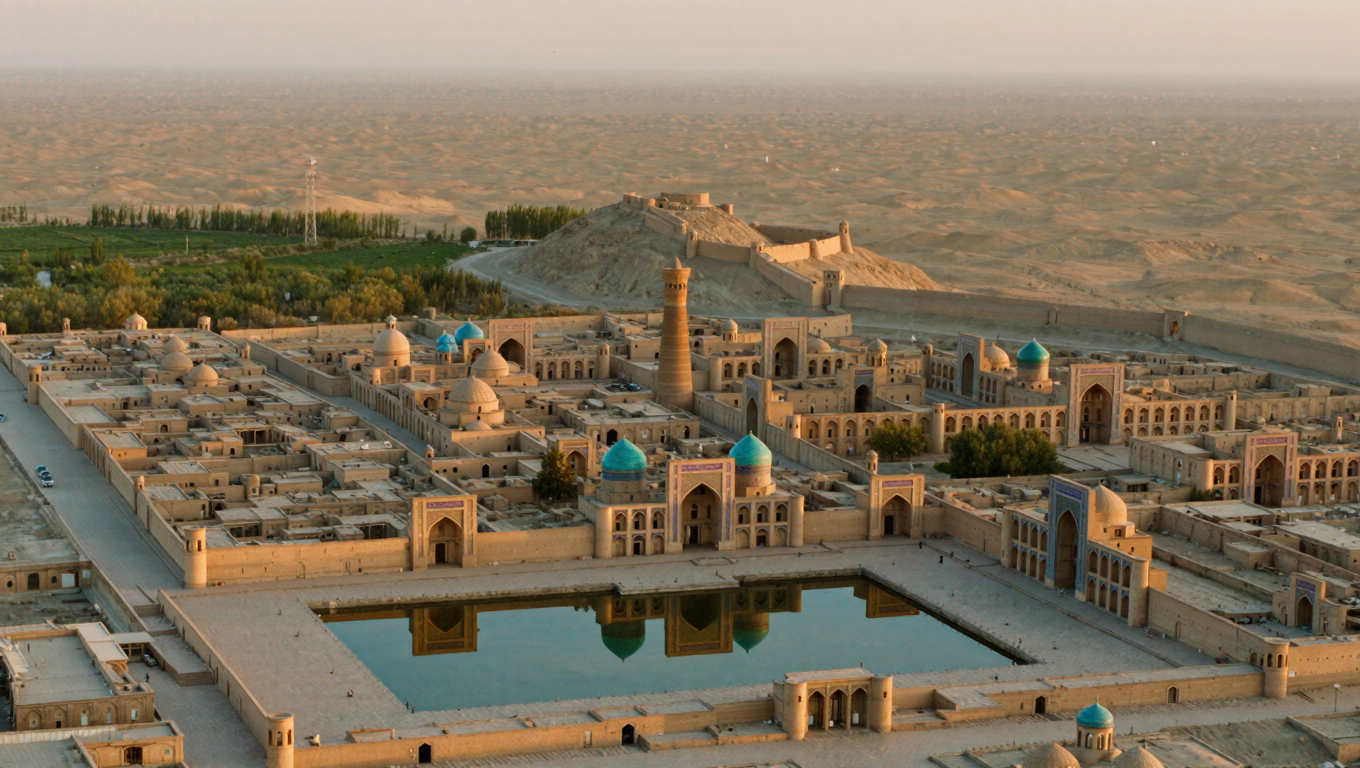
#2 of 14
Buxoro
8.2
High score (8-10) · Your profile
Bukhara's tourism economy is more developed than most of Uzbekistan, and the old city has genuine social energy around its restaurants, teahouses, and guesthouses. Locals who work in tourism and hospitality have more social confidence and international exposure than those in rural Uzbekistan. Foreign men here are associated with education and adventure rather than suspicion, and the city's merchant history gives locals a pragmatic attitude toward outside relationships. If you're going to spend time in Uzbekistan's historic core, Bukhara has the most actual social infrastructure.
Mid score (6-8)
Bukhara gets a lot of tourist traffic but the city is also a deeply traditional Uzbek and Tajik community outside the tourist center. The social openness you see in guesthouses and craft markets doesn't represent how most residents live. Women who aren't in tourism face the same family dynamics and limited social autonomy as anywhere in the country. Bukhara is a good visit but don't confuse tourist-facing hospitality with widespread social access.
Lower score (below 6)
Bukhara is one of the holiest cities in Central Asian Islam and that identity shapes local social norms significantly — it's not just tourism marketing, the religious culture here is real and conservative. Outside of the hospitality economy, gender dynamics are traditional and heavily family-governed. As a foreign man passing through, you'll get warmth and interest but in a controlled, family-appropriate way. Social outcomes beyond friendly conversation are rare.
Frequently Asked Questions
What's the median income in Buxoro, Uzbekistan?
$3k median
What's the typical marriage age for women in Buxoro, Uzbekistan?
Women marry at 25
How common is a college degree in Buxoro, Uzbekistan?
33% men have degree
What's the average male height in Buxoro, Uzbekistan?
172 cm local avg
What's the average BMI for women in Buxoro, Uzbekistan?
Local women avg 26.6