Ouaddaï, Chad
#19 of 23
Ouaddaï
7.6
High score (8-10)
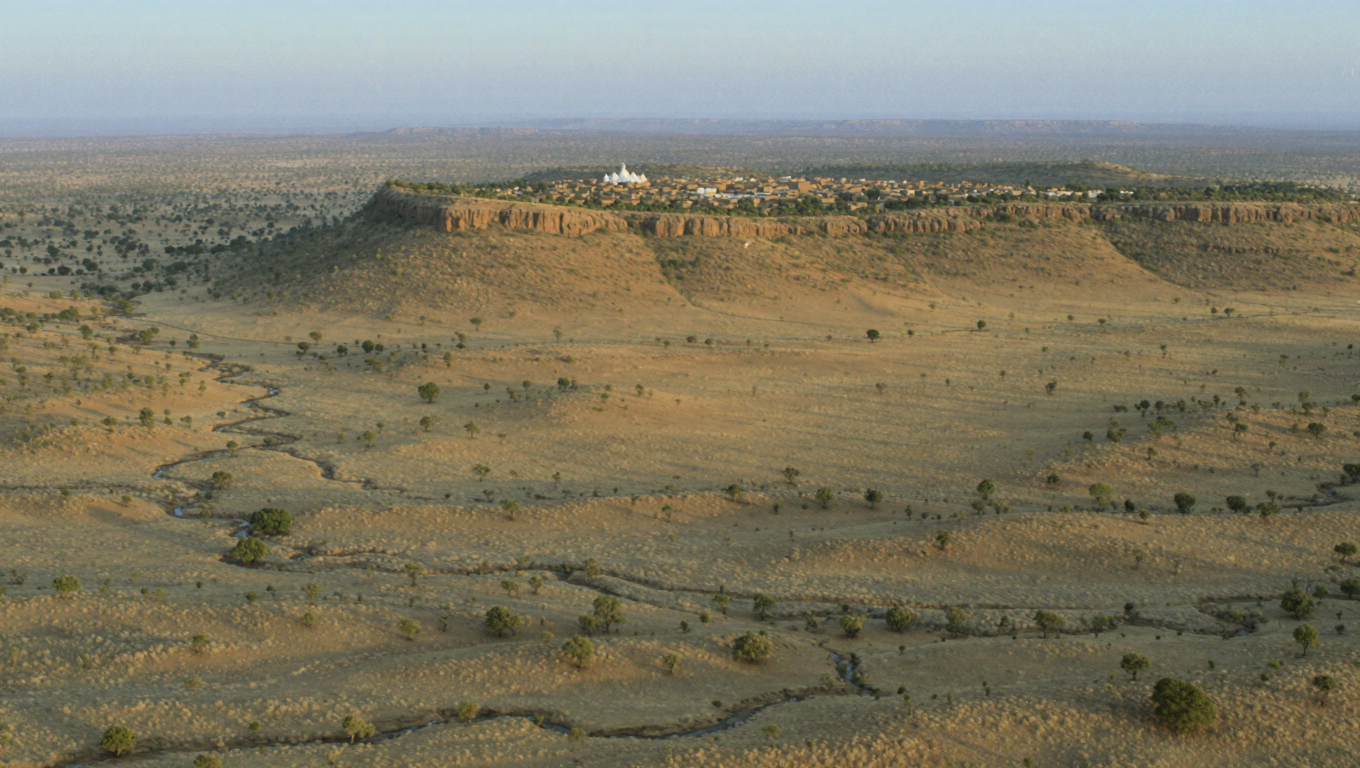
Abéché, the capital of Ouaddaï, is the historical center of the Ouaddaï Sultanate and the largest city in eastern Chad — it has an established merchant class, a significant NGO presence due to the Darfur refugee situation across the border, and a more economically sophisticated population than most Chadian towns its size. Foreign men with institutional affiliation (UN, NGOs, development work) find their status registers clearly in Abéché's social hierarchy. The Sudanese cross-border cultural influence means there's more economic fluency with outsiders than you'd find in the deep interior.
Mid score (6-8) · Your profile
Abéché is an important regional city but it's also a deeply conservative Sunni Muslim center — the Ouaddaï Sultanate's Islamic tradition is centuries old and shapes daily life firmly. NGO workers have created a small expat social bubble here, but access to local women outside that bubble is almost entirely mediated by family and community gatekeepers. You'll find functional social interaction in the expat sphere but limited penetration into the local social world.
Lower score (below 6)
Outside the NGO world, Abéché is a conservative Islamic city where the social structures around women are tight and well-enforced by community norms going back to the sultanate era. The city's importance and relative size don't translate into social accessibility for outsiders — if anything, the more established community structures make them more rigid. This is not a place where a foreign male profile generates easy social wins.
Frequently Asked Questions
What's the median income in Ouaddaï, Chad?
$0k median
What's the typical marriage age for women in Ouaddaï, Chad?
Women marry at 17
How common is a college degree in Ouaddaï, Chad?
2% men have degree
What's the average male height in Ouaddaï, Chad?
164 cm local avg
What's the average BMI for women in Ouaddaï, Chad?
Local women avg 23.9