WestEquatoria, South Sudan
#7 of 10
WestEquatoria
7.8
High score (8-10)
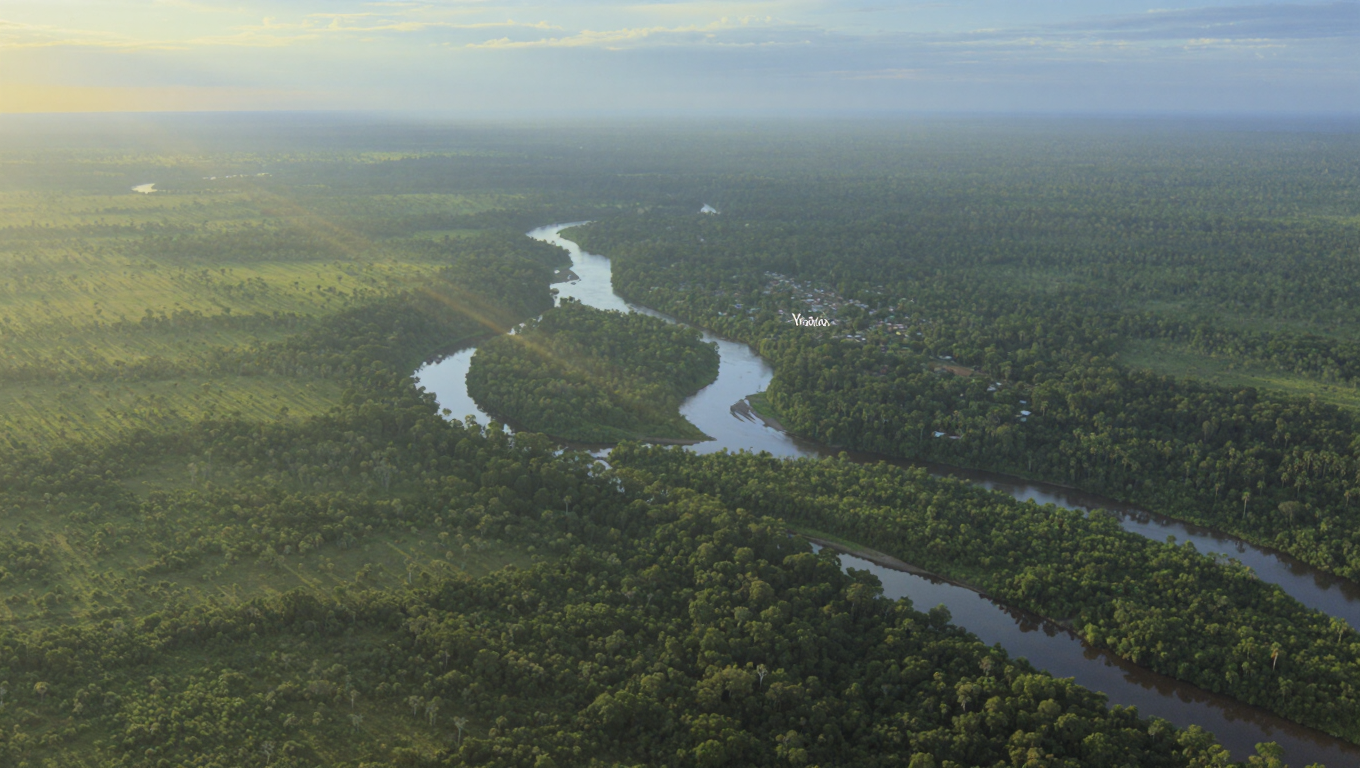
Western Equatoria is the most agriculturally fertile and forested part of South Sudan, and towns like Yambio have a more relaxed, Central African feel than the Nilotic heartland regions. The Zande people here have historically been more connected to the Congo and Central African Republic than to Khartoum, which gives the social culture a slightly different texture — less rigidly hierarchical, more commercially oriented at the small-town level. A foreign man in Yambio with an NGO or agricultural development role finds himself in one of the more livable provincial South Sudanese towns, where basic services exist and the social atmosphere is less militarized. Economic asymmetry is complete, and the Zande tradition of relative gender mixing in agricultural and market settings creates more organic social access than in the Dinka north.
Mid score (6-8) · Your profile
Yambio and Western Equatoria are genuinely more pleasant than most of South Sudan's provincial towns, but 'more pleasant' is doing a lot of work given the baseline. The LRA threat that plagued the region for years has diminished but left a legacy of community caution around outsiders, and the distance from Juba means that institutional support and evacuation options are more limited than in the capital region. A foreign man here needs a reason to be present and a local anchor to make social progress — the environment rewards patience and genuine community engagement over transactional approaches. The forest environment and agricultural economy give the place a character that's different from the rest of the country, which can be either appealing or isolating depending on who you are.
Lower score (below 6)
Western Equatoria's remoteness — poor roads, no scheduled flights, deep forest — creates logistical barriers that consume most of the energy a foreign man would otherwise direct toward social engagement. The region's experience with LRA violence created community insularity that an outsider encounters quickly and cannot shortcut through economic positioning alone. While the Zande culture is less rigidly patriarchal than the Dinka regions, the absence of any real commercial social infrastructure in Yambio means there are simply no spaces where casual cross-cultural socializing happens naturally. This is an assignment destination for foresters and aid workers, not a social destination.
Frequently Asked Questions
What's the median income in WestEquatoria, South Sudan?
$0k median
What's the typical marriage age for women in WestEquatoria, South Sudan?
Women marry at 18
How common is a college degree in WestEquatoria, South Sudan?
3% men have degree
What's the average male height in WestEquatoria, South Sudan?
169 cm local avg
What's the average BMI for women in WestEquatoria, South Sudan?
Local women avg 22.7