East, Nepal
#2 of 5
East
8.2
High score (8-10) · Your profile
Eastern Nepal — think Biratnagar and the hills toward Ilam — is where the country gets noticeably more Indo-influenced, with a Maithili and Bihari cultural flavor in the Terai plains. For foreign men who put in serious time here and speak some Hindi, there's genuine warmth and curiosity from locals who rarely see outsiders. The tea-growing regions up in the hills attract a small but interesting crowd of travelers and NGO workers. Not a destination for quick social results, but long-stay guys who integrate get treated like rare guests.
Mid score (6-8)
Eastern Nepal is off the main tourist track, which cuts both ways — you're genuinely rare, but you're also without the social infrastructure that Kathmandu provides. Biratnagar is an industrial city with limited nightlife and a conservative social culture rooted in Madhesi and hill-caste traditions. Women here have far less social freedom than in Kathmandu, and meeting anyone outside of a professional or NGO context is difficult. Good region for experiencing authentic Nepal, not for building a social life.
Lower score (below 6)
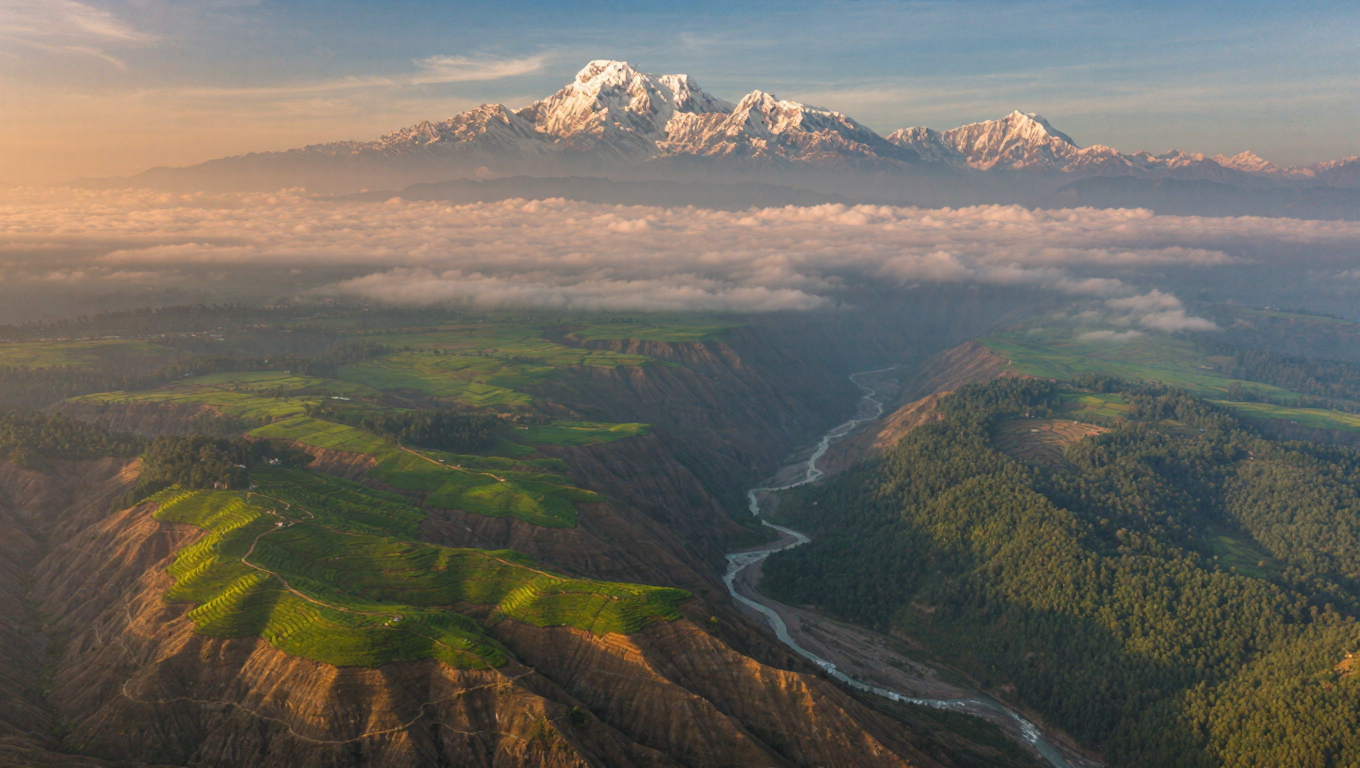
This is one of the harder places in Nepal to get meaningful social traction as a foreigner. The eastern Terai in particular is deeply traditional — gender segregation in daily life is common, and foreign men don't fit neatly into any recognized social role outside of the charity worker category. The hill towns are small enough that everyone knows everyone, and female independence is limited. Come for Ilam's tea estates and the views toward Kanchenjunga, not for meeting people.
Frequently Asked Questions
What's the median income in East, Nepal?
$1k median
What's the typical marriage age for women in East, Nepal?
Women marry at 20
How common is a college degree in East, Nepal?
21% men have degree
What's the average male height in East, Nepal?
162 cm local avg
What's the average BMI for women in East, Nepal?
Local women avg 22.5