AtlánticoNorte, Nicaragua
#16 of 18
AtlánticoNorte
8.1
High score (8-10) · Your profile
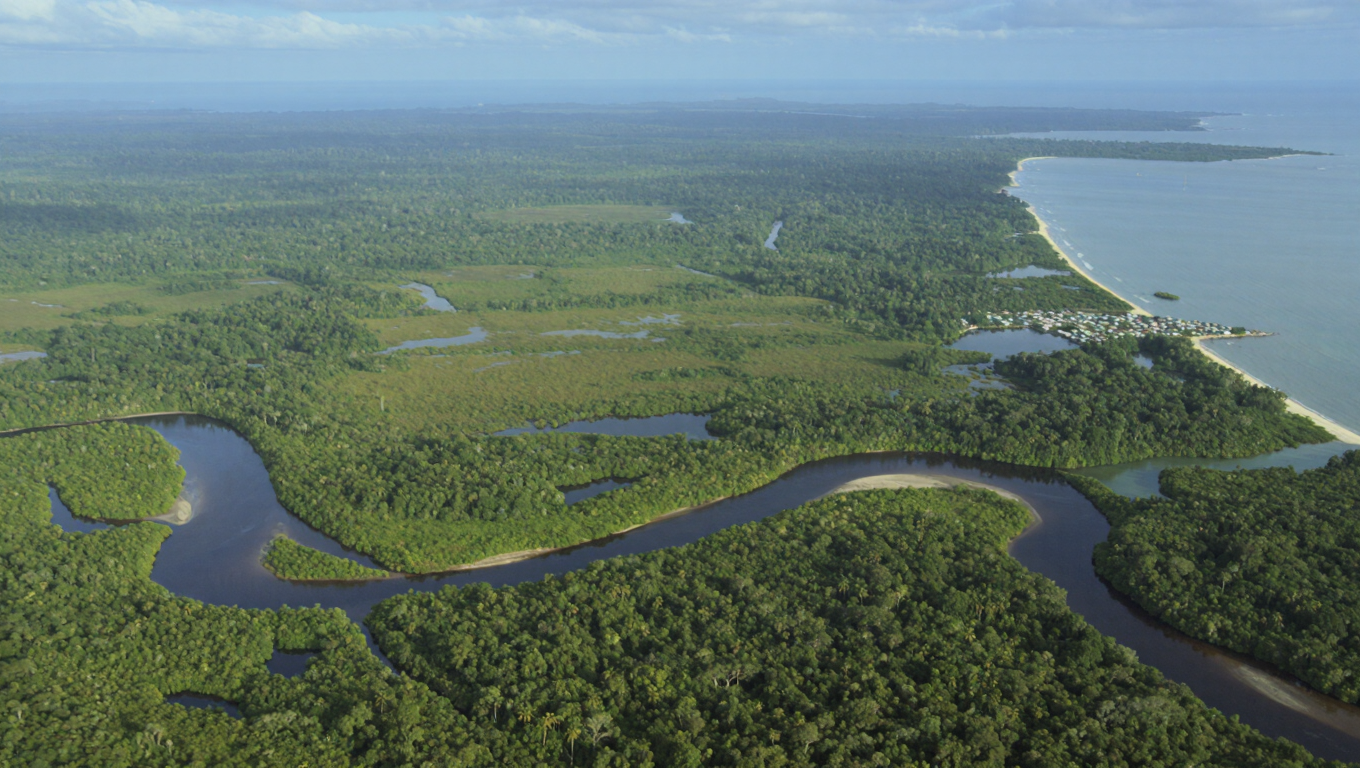
The North Caribbean Coast (RACN) is genuinely off the beaten path — Bilwi (Puerto Cabezas) is the main hub, and the Miskito and Creole cultures here are distinct from Spanish Nicaragua in ways that matter socially. The economy runs on fishing and subsistence, so even modest outside income puts you in a completely different bracket. English is spoken in pockets due to the Creole population, which removes one barrier for non-Spanish speakers. If you're the type who does well in frontier settings, this region rewards you in ways polished tourist destinations don't.
Mid score (6-8)
The North Caribbean Coast is logistically demanding — flights from Managua to Bilwi are the only practical option, roads are sparse, and the region sits outside the normal tourist circuit entirely. The Miskito and Creole communities have their own social codes that take time to read correctly. There are genuine connections to be made, but you need patience for a pace of life that moves on its own terms. Most travelers passing through are NGO workers or researchers, which shapes the expat social environment.
Lower score (below 6)
This region isn't built for short-term visitors looking for a social scene — Bilwi has limited nightlife and the communities here are tight-knit in ways that don't quickly open up to outsiders. Infrastructure is genuinely rough: intermittent electricity, limited accommodation options, and no real tourist economy. If you're not here for specific work or an extended stay, the logistical friction outweighs the social opportunity.
Frequently Asked Questions
What's the median income in AtlánticoNorte, Nicaragua?
$1k median
What's the typical marriage age for women in AtlánticoNorte, Nicaragua?
Women marry at 19
How common is a college degree in AtlánticoNorte, Nicaragua?
16% men have degree
What's the average male height in AtlánticoNorte, Nicaragua?
166 cm local avg
What's the average BMI for women in AtlánticoNorte, Nicaragua?
Local women avg 26.7