FederalCapitalTerritory, Nigeria
#26 of 37
FederalCapitalTerritory
8.1
High score (8-10) · Your profile
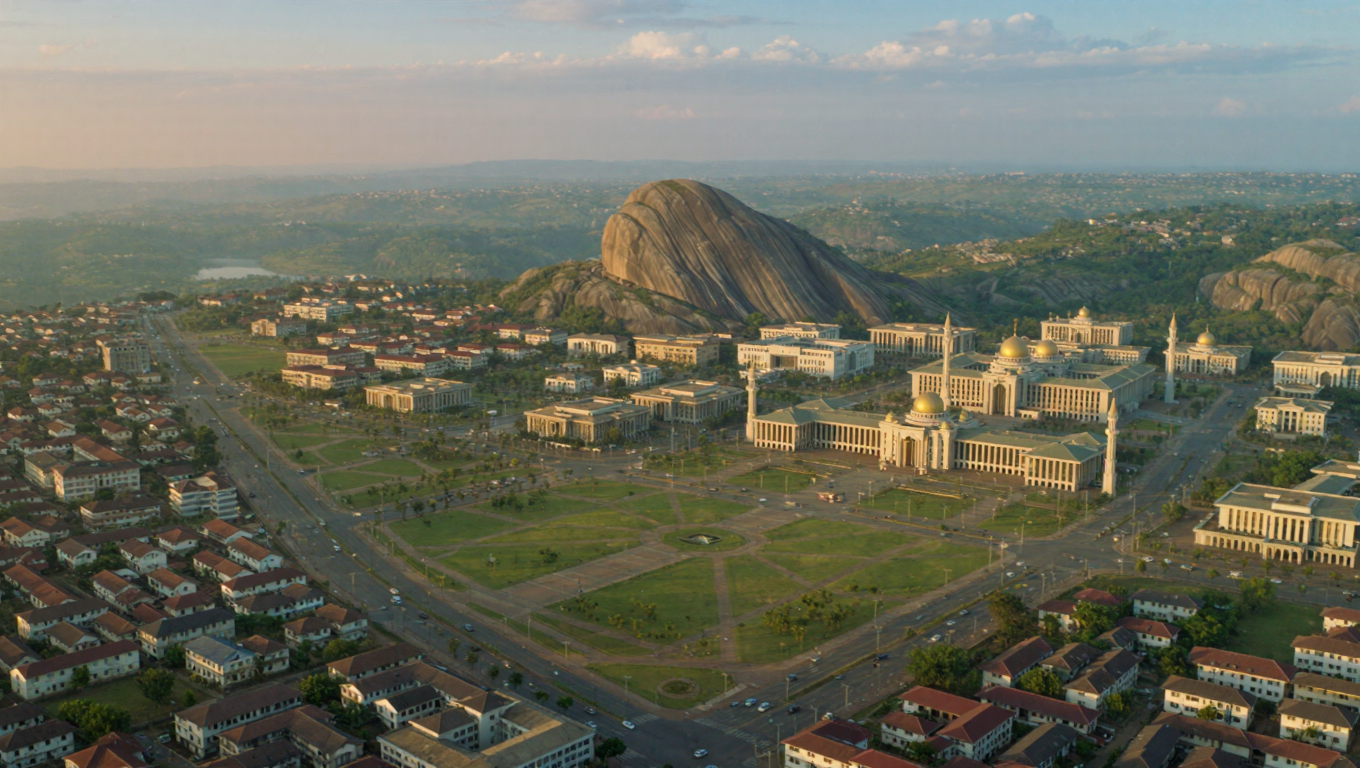
Abuja is Nigeria's purpose-built federal capital and it runs differently from every other city in the country — the women here are often educated, government-adjacent or NGO-connected, and used to men with real status. The Maitama, Wuse 2, and Jabi districts have the kind of restaurants, rooftop bars, and social events where quality interactions happen. A foreigner with clear professional standing and good presentation does well here — the city self-selects for ambitious, mobile people.
Mid score (6-8)
Abuja has one of the highest costs of living in Nigeria and the social scene reflects government and oil money, which means expectations are calibrated accordingly. Women in Abuja are generally polished and know their worth — you need to show up properly or you'll be overlooked. The city is safer and more orderly than Lagos but also more formal in social interactions.
Lower score (below 6)
Abuja's social scene is dominated by government officials, oil sector workers, and their networks — if you're not plugged into those circles, the city can feel transactional and status-gatekept. The cost of doing anything right here is high, and men who can't project the right signals financially will find the doors don't open easily.
Frequently Asked Questions
What's the median income in FederalCapitalTerritory, Nigeria?
$1k median
What's the typical marriage age for women in FederalCapitalTerritory, Nigeria?
Women marry at 18
How common is a college degree in FederalCapitalTerritory, Nigeria?
8% men have degree
What's the average male height in FederalCapitalTerritory, Nigeria?
165 cm local avg
What's the average BMI for women in FederalCapitalTerritory, Nigeria?
Local women avg 26.1