Tillabéry, Niger
#3 of 8
Tillabéry
7.6
High score (8-10)
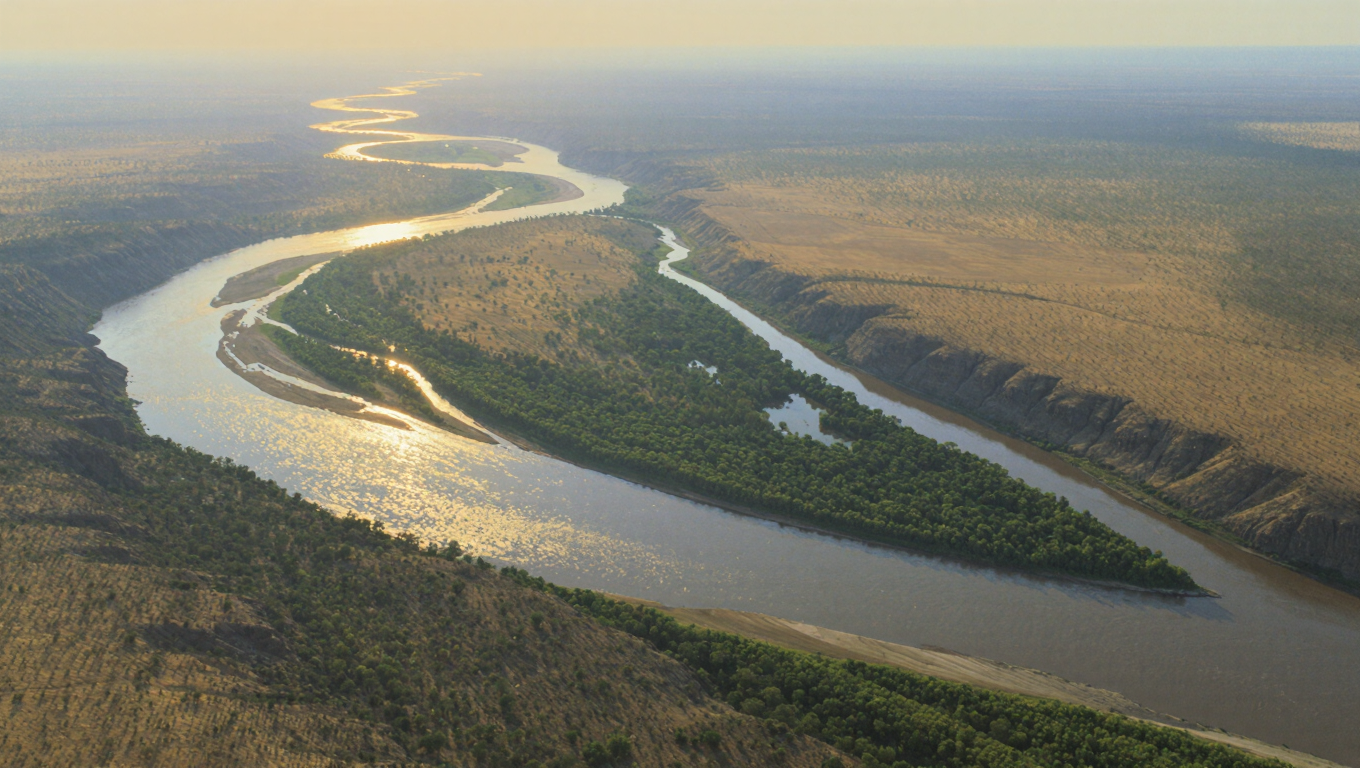
Tillabéry's position along the Niger River gives it agricultural richness that the rest of the country's Sahel zones lack — rice cultivation, fishing communities, and produce markets along the river create real economic activity. The Zarma and Songhai communities here have a long history of interaction with French colonial administration and later development agencies, so foreign professionals working in rural development or food security are a known and respected presence. If your work brings you here, people engage substantively.
Mid score (6-8) · Your profile
Tillabéry has become one of the most security-affected regions in the country due to its border with Mali and Burkina Faso — the tri-border area in the west of the region has been the site of repeated jihadist attacks on villages and security forces. The regional capital itself retains some normal function, but travel anywhere outside it requires serious security assessment. Development workers still operate here but with significantly heightened precautions compared to five years ago.
Lower score (below 6)
The western part of Tillabéry region, including areas near the Malian and Burkinabe borders, is among the most dangerous zones in the entire Sahel — multiple massacres of civilians have occurred there since 2019. The French and US governments categorize most of the region as a do-not-travel zone, and that categorization reflects real and current conditions. This is not a place to evaluate how a foreign profile plays.
Frequently Asked Questions
What's the median income in Tillabéry, Niger?
$1k median
What's the typical marriage age for women in Tillabéry, Niger?
Women marry at 18
How common is a college degree in Tillabéry, Niger?
6% men have degree
What's the average male height in Tillabéry, Niger?
168 cm local avg
What's the average BMI for women in Tillabéry, Niger?
Local women avg 23.7