Omaheke, Namibia
#5 of 13
Omaheke
8.6
High score (8-10) · Your profile
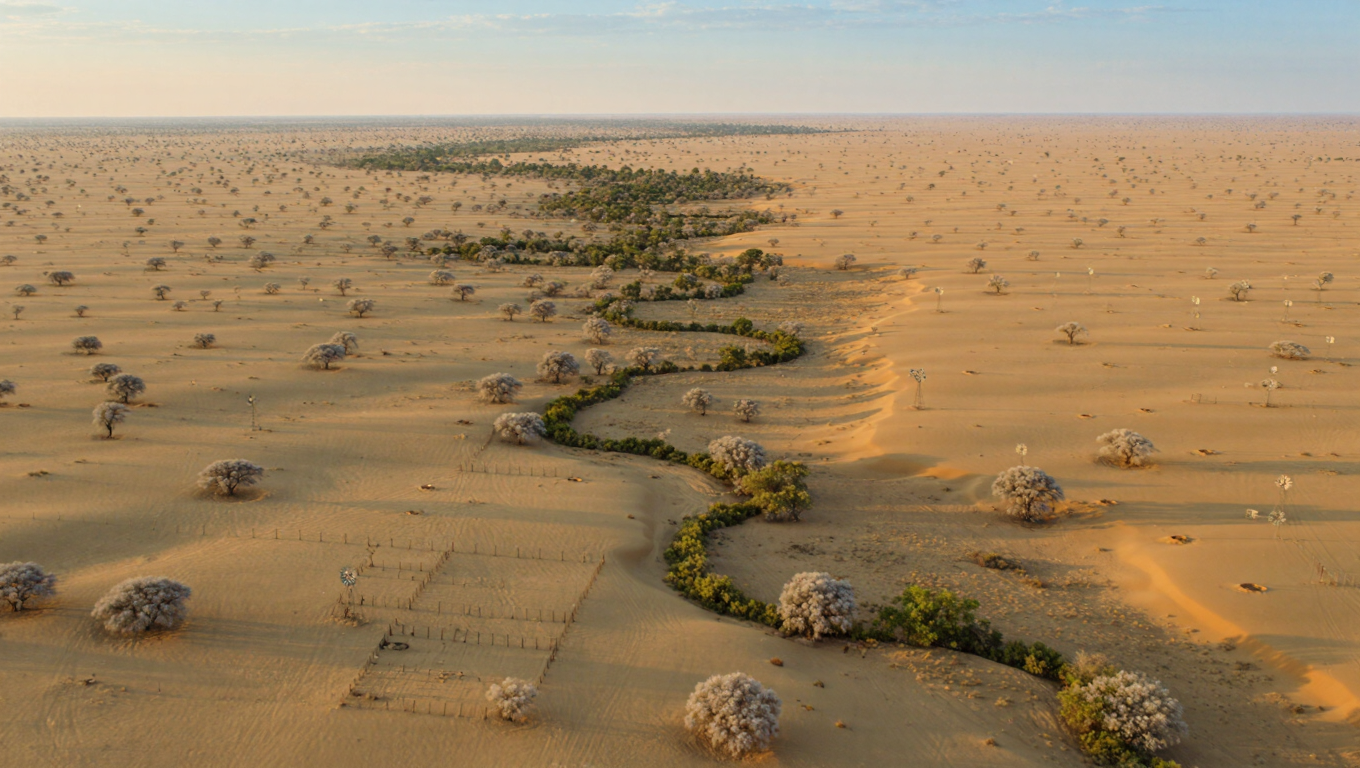
Omaheke is the eastern Kalahari sandveld — Gobabis is the main town and it's cattle-farming territory. If you're the type who connects naturally in isolated environments and genuinely engages with farming communities, the lack of outsider traffic means you stand out in a way that can work. Gobabis has a few functional bars and the town is lively on weekends with farmworkers coming in from the bush. Niche play, but it exists.
Mid score (6-8)
Gobabis and the surrounding Omaheke region are functional but very much secondary-tier Namibia for social purposes — this is cattle country and the population is sparse and spread across enormous farms. The San communities in the eastern parts of the region live in circumstances that require a very different kind of engagement than conventional socializing. Town life in Gobabis is real but thin. Good to know exists; not worth prioritizing.
Lower score (below 6)
Omaheke is the most thinly connected part of Namibia to the main tourist circuit — it's sandveld cattle farming with little infrastructure and a social scene that essentially doesn't exist in the way you'd need it to. Gobabis is a transit town for the Trans-Kalahari Highway, not a destination with a working bar and dating culture. The San population in the region is marginalized and their circumstances make any framing of 'social opportunity' deeply inappropriate. Skip it.
Frequently Asked Questions
What's the median income in Omaheke, Namibia?
$4k median
What's the typical marriage age for women in Omaheke, Namibia?
Women marry at 25
How common is a college degree in Omaheke, Namibia?
10% men have degree
What's the average male height in Omaheke, Namibia?
170 cm local avg
What's the average BMI for women in Omaheke, Namibia?
Local women avg 28.3