Podgorica, Montenegro
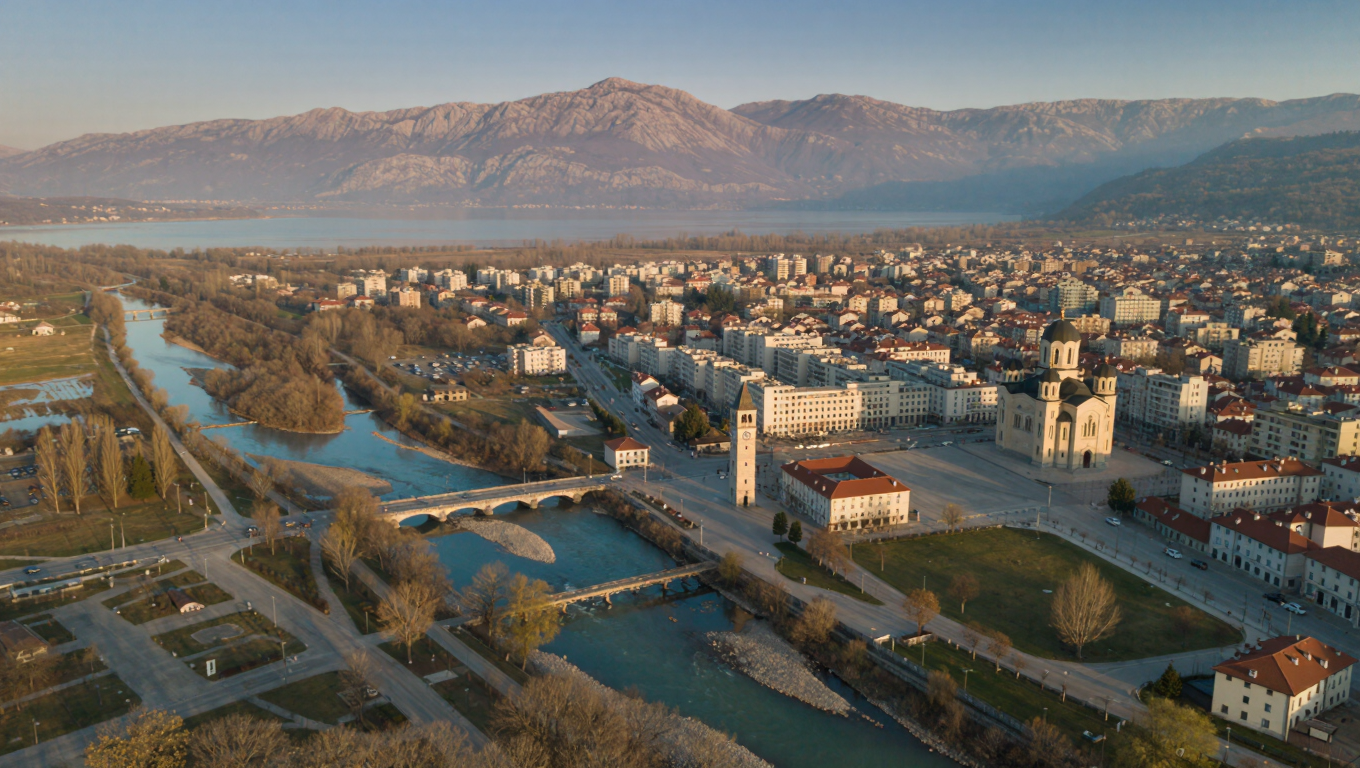
#6 of 21
Podgorica
7.9
High score (8-10)
Podgorica is where Montenegro's social life actually lives year-round — a capital of 180,000 with an EU-aspiring educated class, functioning nightlife on Bulevar Svetog Petra Cetinjskog and the Stara Varoš area, and a young professional demographic that speaks English and has traveled. The income gap still favors Western earners materially, and a foreign face in the right circles (expat bars, university events, the growing tech scene) doesn't require constant explanation. The most sustainable option in Montenegro outside summer.
Mid score (6-8) · Your profile
Podgorica is functional but not exciting by capital city standards — it's a young capital still building its identity, and the social scene can feel limited in range compared to Belgrade or Sarajevo. The Montenegrin masculine culture means women here often navigate social settings carefully, which slows things down. That said, the international NGO and embassy crowd creates an accessible entry point for a foreign profile. Manage expectations and it works.
Lower score (below 6)
Podgorica without a social entry point is harder than it looks — the city is large enough to be anonymous but not international enough to have the open-to-strangers energy of a major hub. The tight friendship groups that dominate social life here were formed in school and haven't opened much since. Without something that creates a natural meeting context (a sport, a language class, the expat social circuit), you'll find the city friendly but impenetrable.
Frequently Asked Questions
What's the median income in Podgorica, Montenegro?
$5k median
What's the typical marriage age for women in Podgorica, Montenegro?
Women marry at 25
How common is a college degree in Podgorica, Montenegro?
15% men have degree
What's the average male height in Podgorica, Montenegro?
183 cm local avg
What's the average BMI for women in Podgorica, Montenegro?
Local women avg 26.7