Pljevlja, Montenegro
#12 of 21
Pljevlja
7.9
High score (8-10)
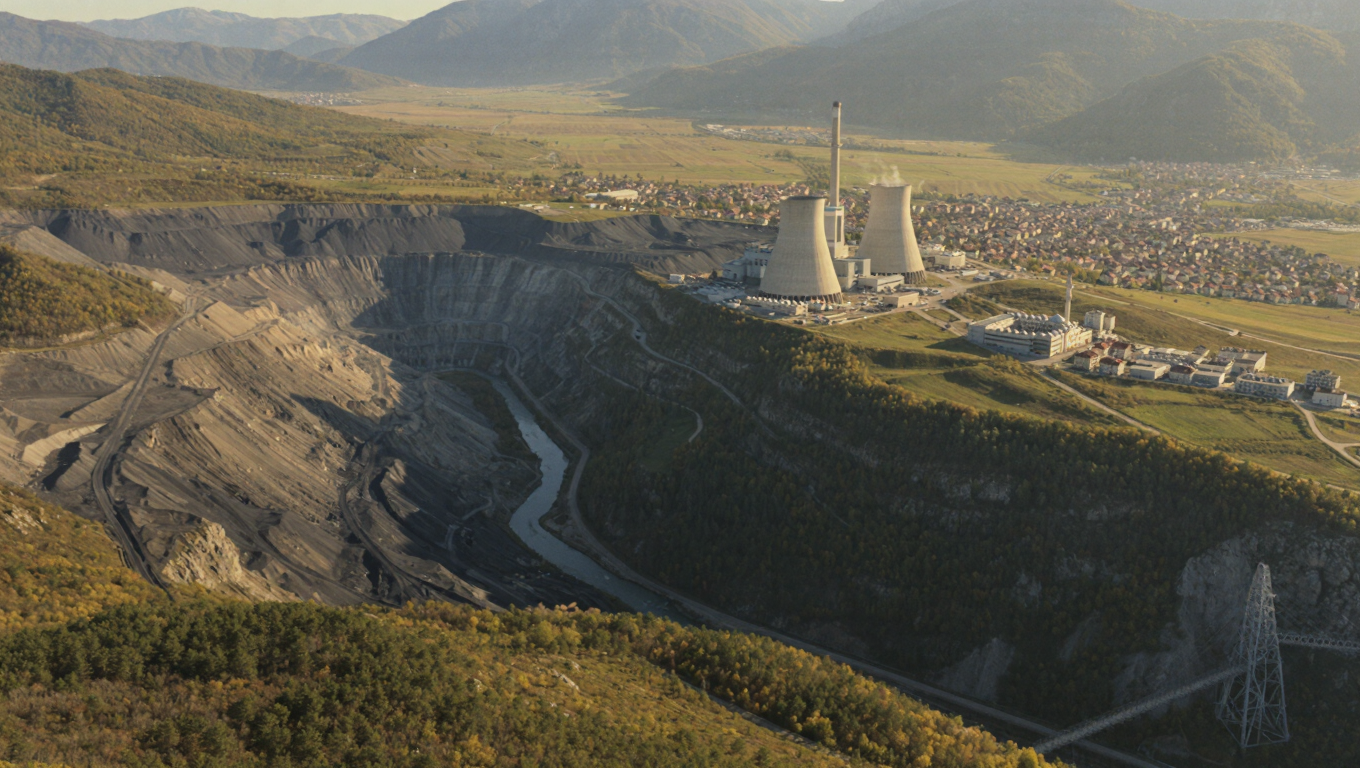
Pljevlja is northern Montenegro's largest city, near the Serbian and Bosnian borders, with a mixed Montenegrin Orthodox and Bosniak Muslim population. The coal and energy sector has kept some economic activity here that other northern towns lost, and the city is large enough (around 30,000) to have actual social infrastructure. Foreign income and profile creates genuine novelty. The mixed ethnic dynamic means a wider range of female demographics than a homogeneous town.
Mid score (6-8) · Your profile
The north's industrial base gives Pljevlja more economic grounding than most interior towns, but it also creates a working-class social culture where trust is built slowly and outsiders don't automatically get the benefit of the doubt. Both the Orthodox and Muslim communities here are fairly conservative in their social expectations. The city has the size to support a social life but not the orientation toward strangers that a tourist town develops.
Lower score (below 6)
Pljevlja is far enough from the coast and the tourist circuit that it has developed no real infrastructure or cultural habit for receiving outsiders. The tight-knit community — both Montenegrin and Bosniak — means a foreign profile is an observable event rather than a social asset. The lack of anonymity and the conservative baseline make cold approaches feel out of place.
Frequently Asked Questions
What's the median income in Pljevlja, Montenegro?
$4k median
What's the typical marriage age for women in Pljevlja, Montenegro?
Women marry at 25
How common is a college degree in Pljevlja, Montenegro?
12% men have degree
What's the average male height in Pljevlja, Montenegro?
182 cm local avg
What's the average BMI for women in Pljevlja, Montenegro?
Local women avg 26.5