Timbuktu, Mali
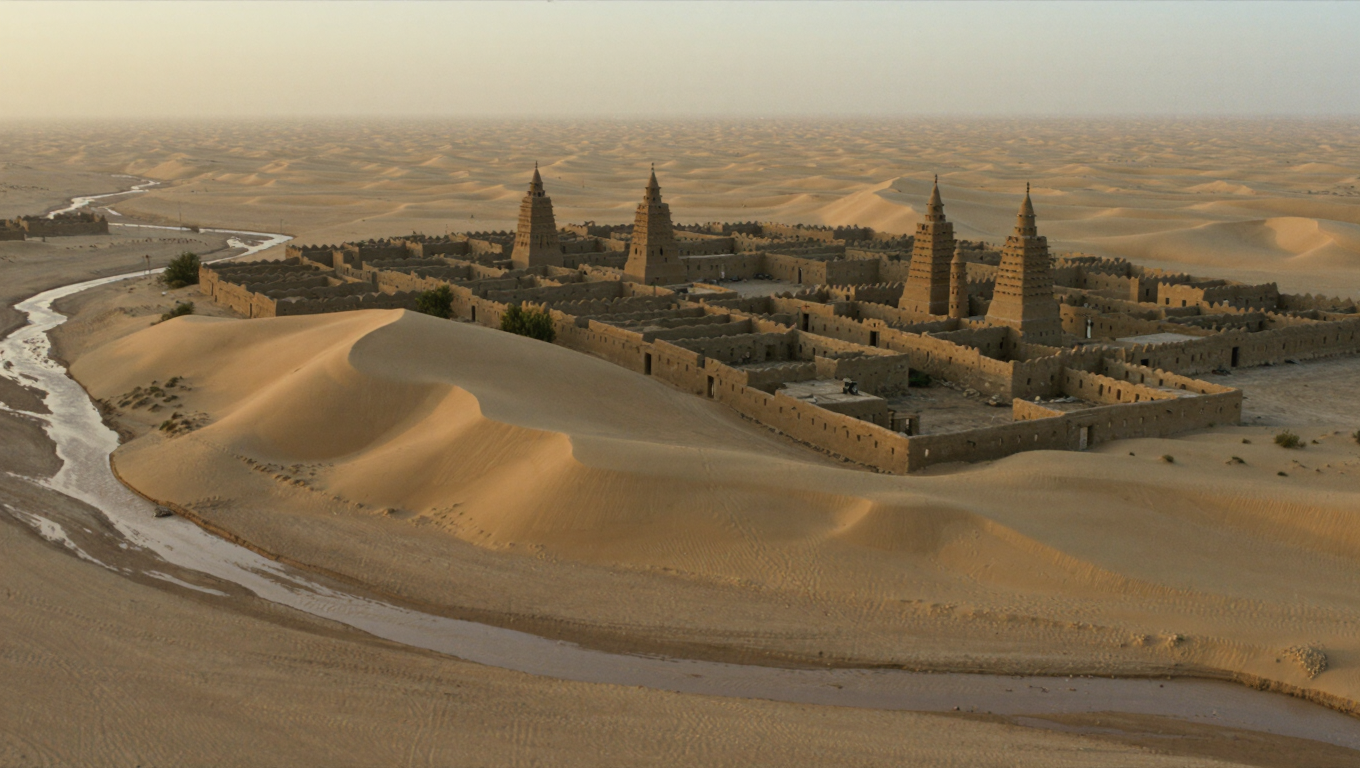
#8 of 9
Timbuktu
7.8
High score (8-10)
Timbuktu's legendary status as a destination doesn't translate into social opportunity for a foreign man — the city's tourist economy essentially collapsed after 2012 when jihadist groups occupied it for nearly a year, destroying shrines and imposing strict Islamic law. The French military (Operation Serval) pushed them out but the security situation in surrounding Timbuktu region remains one of the most dangerous in the Sahel. Very few civilians visit and those who do are typically researchers, journalists, or aid workers.
Mid score (6-8) · Your profile
Timbuktu the city is real and still inhabited — about 50,000 people, active salt trade, and genuinely ancient mosques and manuscripts that survived the occupation. But as a social destination for a foreign man it's essentially zero — the community is deeply conservative, the surrounding desert region has active insurgent presence, and the infrastructure for independent civilian travelers has not meaningfully recovered. The mystique of the name does not match the current reality on the ground.
Lower score (below 6)
Timbuktu is on virtually every Western government's do-not-travel list for good reason — the surrounding Timbuktu region is an active theater for jihadist groups including JNIM, kidnappings of Westerners have occurred in the area, and the logistics of getting there safely as a civilian are prohibitive. The social environment inside the city is about as conservative as anywhere in West Africa. This is not a destination in any practical sense.
Frequently Asked Questions
What's the median income in Timbuktu, Mali?
$1k median
What's the typical marriage age for women in Timbuktu, Mali?
Women marry at 18
How common is a college degree in Timbuktu, Mali?
9% men have degree
What's the average male height in Timbuktu, Mali?
169 cm local avg
What's the average BMI for women in Timbuktu, Mali?
Local women avg 23.0