L'Artibonite, Haiti
#10 of 10
L'Artibonite
8.4
High score (8-10) · Your profile
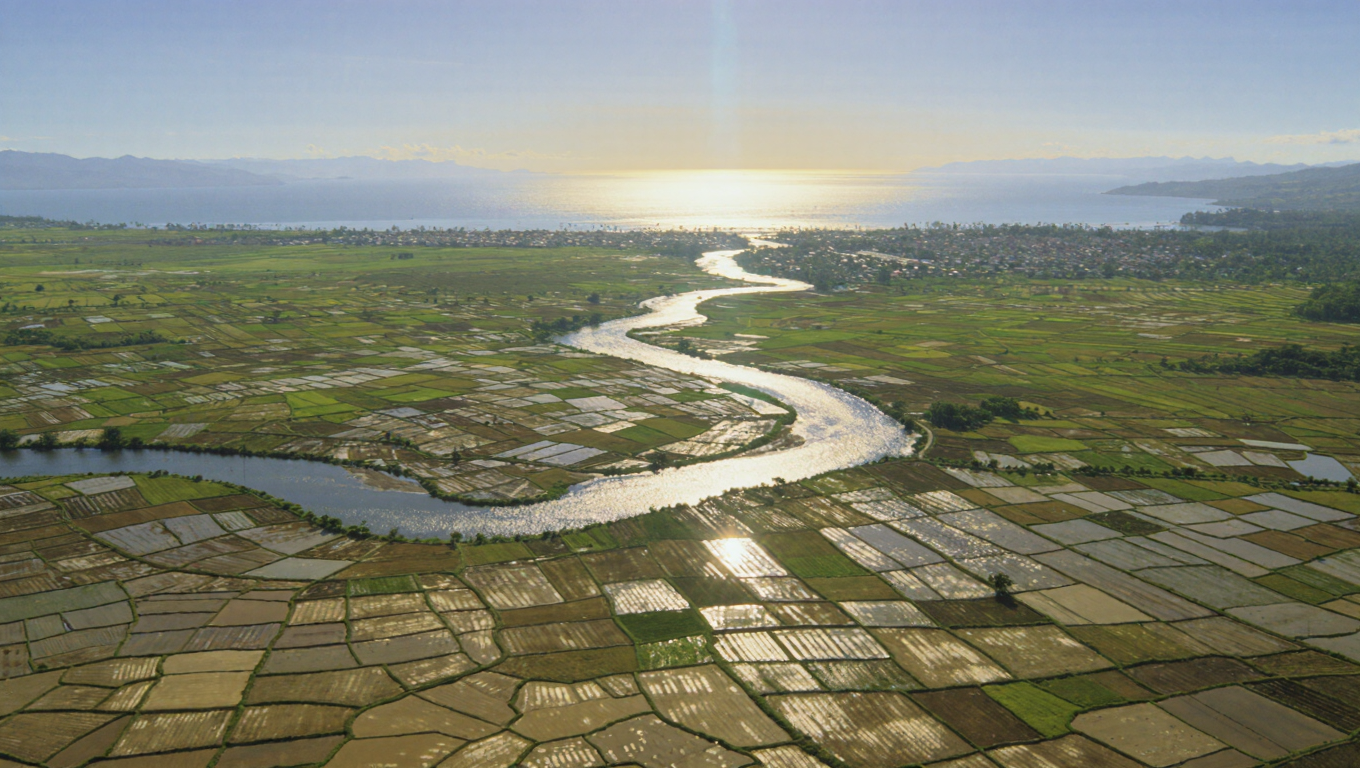
The Artibonite valley is Haiti's rice bowl — Saint-Marc on the coast is the department's most functional town and has a port economy that means some local commercial activity and a more grounded middle class than you'd find in purely subsistence areas. Foreigners doing business or aid work here have found genuine social traction because the town isn't running on tourism dynamics. If you have a reason to be there that the locals can understand, you'll be treated well.
Mid score (6-8)
L'Artibonite is heavily agricultural and politically volatile — the Artibonite valley has historically been a base for armed groups and the gang situation around certain corridors is real. Saint-Marc functions but isn't a destination in the conventional sense. There's social openness toward foreigners who present themselves respectably, but the economic stress of the region keeps interactions tinged with need.
Lower score (below 6)
L'Artibonite's main corridor has been severely affected by gang activity — the Artibonite river delta area and routes toward Port-au-Prince have been among the most dangerous zones in the country. Gonaïves, the department capital, has a history of political violence and flooding and is not a functional base for foreign visitors. The security picture makes this a genuinely high-risk zone with no compensating social upside.
Frequently Asked Questions
What's the median income in L'Artibonite, Haiti?
$2k median
What's the typical marriage age for women in L'Artibonite, Haiti?
Women marry at 23
How common is a college degree in L'Artibonite, Haiti?
19% men have degree
What's the average male height in L'Artibonite, Haiti?
166 cm local avg
What's the average BMI for women in L'Artibonite, Haiti?
Local women avg 25.1