UpperEast, Ghana
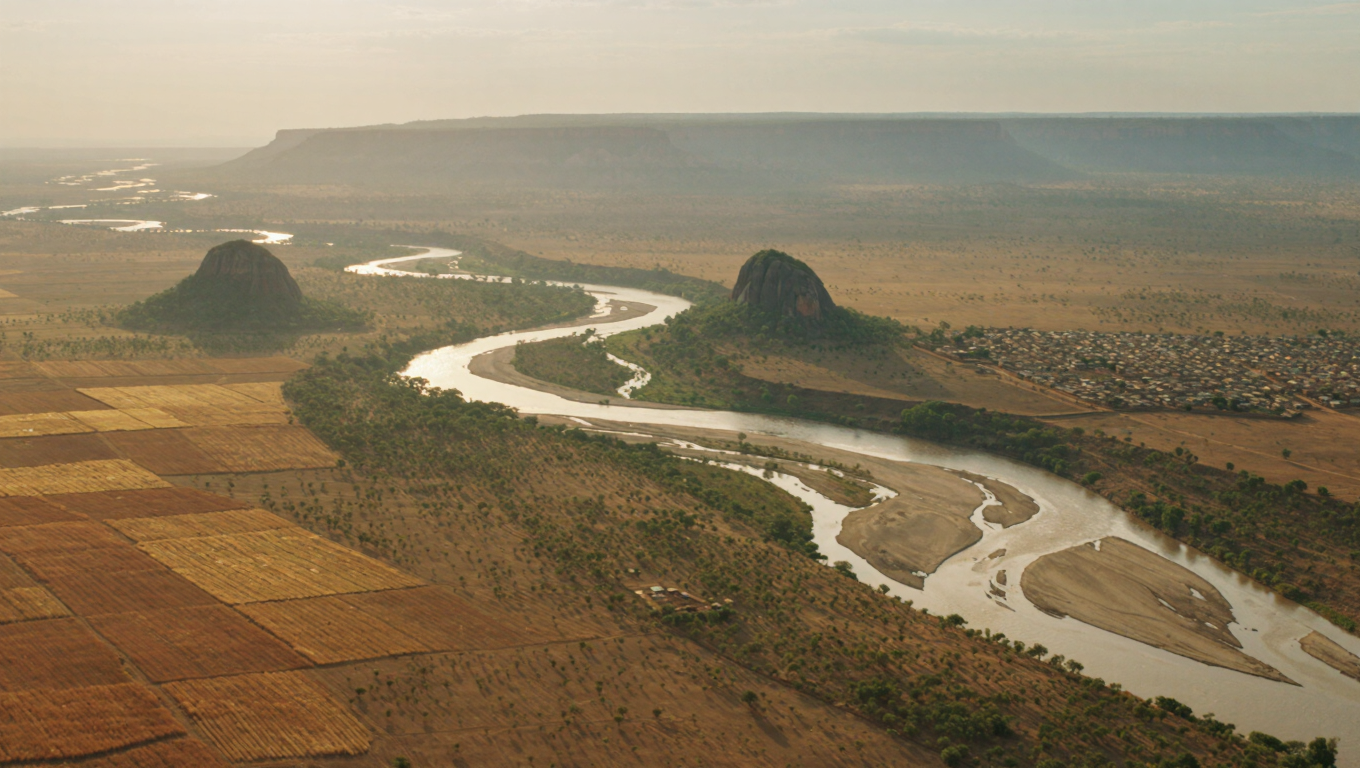
#7 of 16
UpperEast
8.3
High score (8-10) · Your profile
Bolgatanga is a surprisingly lively small city for the Upper East — the market draws cross-border trade from Burkina Faso, there's a real university crowd at UDS, and the NGO presence means a population that's internationally engaged. The mix of students, development workers, and traders creates pockets of social life that don't exist in most northern Ghana towns. Men who show up with legitimate presence — a project, a job, actual time to spend — can find genuine connection in Bolgatanga's small but real social scene.
Mid score (6-8)
Upper East is predominantly Frafra and Kassena-Nankana territory, with social life organized tightly around family, community, and either Christian or traditional religious practice. Bolgatanga has more going on than the region's reputation suggests, but the community is small enough that everyone is watching, and outsiders are assessed quickly against a set of values that don't weight foreignness very highly. Respect and patience are the only real currency here.
Lower score (below 6)
The Upper East is one of Ghana's poorest regions and the social dynamics that come with that — traditional authority, strong family oversight, economic stress — make casual romantic engagement for short-stay visitors nearly impossible. The women most visible to a visitor in Bolgatanga's market and commercial areas are working women in professional or trading roles, not available for the kind of interaction a passing foreign man is usually looking for. The cultural gap is real and not easily bridged.
Frequently Asked Questions
What's the median income in UpperEast, Ghana?
$2k median
What's the typical marriage age for women in UpperEast, Ghana?
Women marry at 21
How common is a college degree in UpperEast, Ghana?
11% men have degree
What's the average male height in UpperEast, Ghana?
168 cm local avg
What's the average BMI for women in UpperEast, Ghana?
Local women avg 26.2