Eastern, Fiji
#4 of 5
Eastern
8.5
High score (8-10) · Your profile
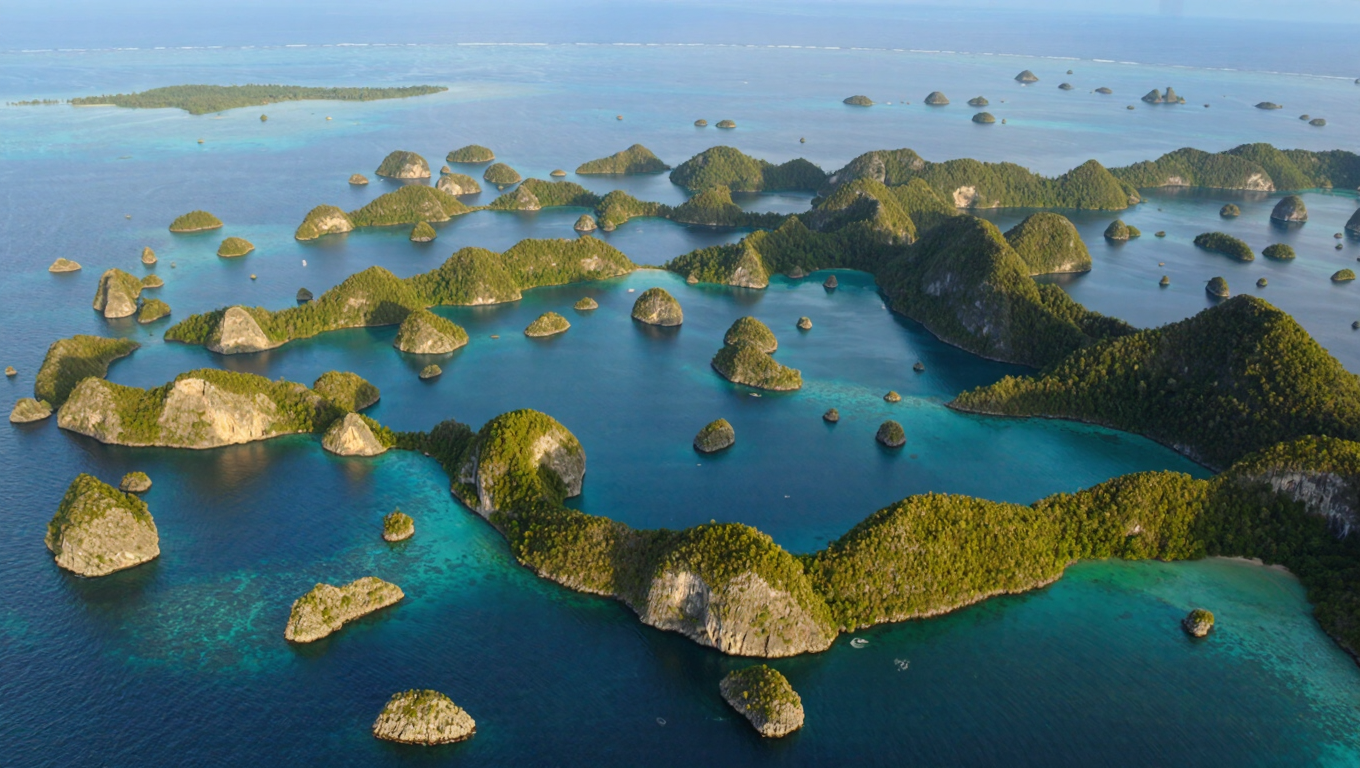
The Eastern Division — Lomaiviti and the Lau Group — is where Fijian culture runs deepest and the traditional social structure (mataqali, tokasei) is still fully operational. For a man who has done his homework, shows genuine respect for the kava ceremony, and comes with an introduction through a local contact, the warmth here is extraordinary and completely unperformative. Village-based tourism is genuinely reciprocal — you're a guest in someone's actual home, not a customer. The women here are not accessible in any casual tourist sense, but the cultural experience is so authentic that it reframes what you thought travel could be.
Mid score (6-8)
Eastern Fiji is remote, logistics are genuinely difficult, and most of the islands require small ferry connections or charter flights that add real cost and time. Social life here is almost entirely village-based, which means interaction with local women runs through family and community gatekeeping that a short-term visitor can't reasonably navigate. Come for the coral and the genuine cultural immersion, not for social opportunity — the Eastern Division rewards patience and cultural respect more than any other quality.
Lower score (below 6)
This is traditional Fiji with all the community structure that implies — an outsider passing through has no meaningful social footing here. The Lau Group in particular is culturally conservative and geographically isolated enough that the standard toolkit of a foreign visitor doesn't translate. If you're looking for social returns on your travel investment, Eastern Fiji will deliver almost none of that.
Frequently Asked Questions
What's the median income in Eastern, Fiji?
$4k median
What's the typical marriage age for women in Eastern, Fiji?
Women marry at 23
How common is a college degree in Eastern, Fiji?
12% men have degree
What's the average male height in Eastern, Fiji?
171 cm local avg
What's the average BMI for women in Eastern, Fiji?
Local women avg 29.7