Kasaï-Central, Democratic Republic of the Congo
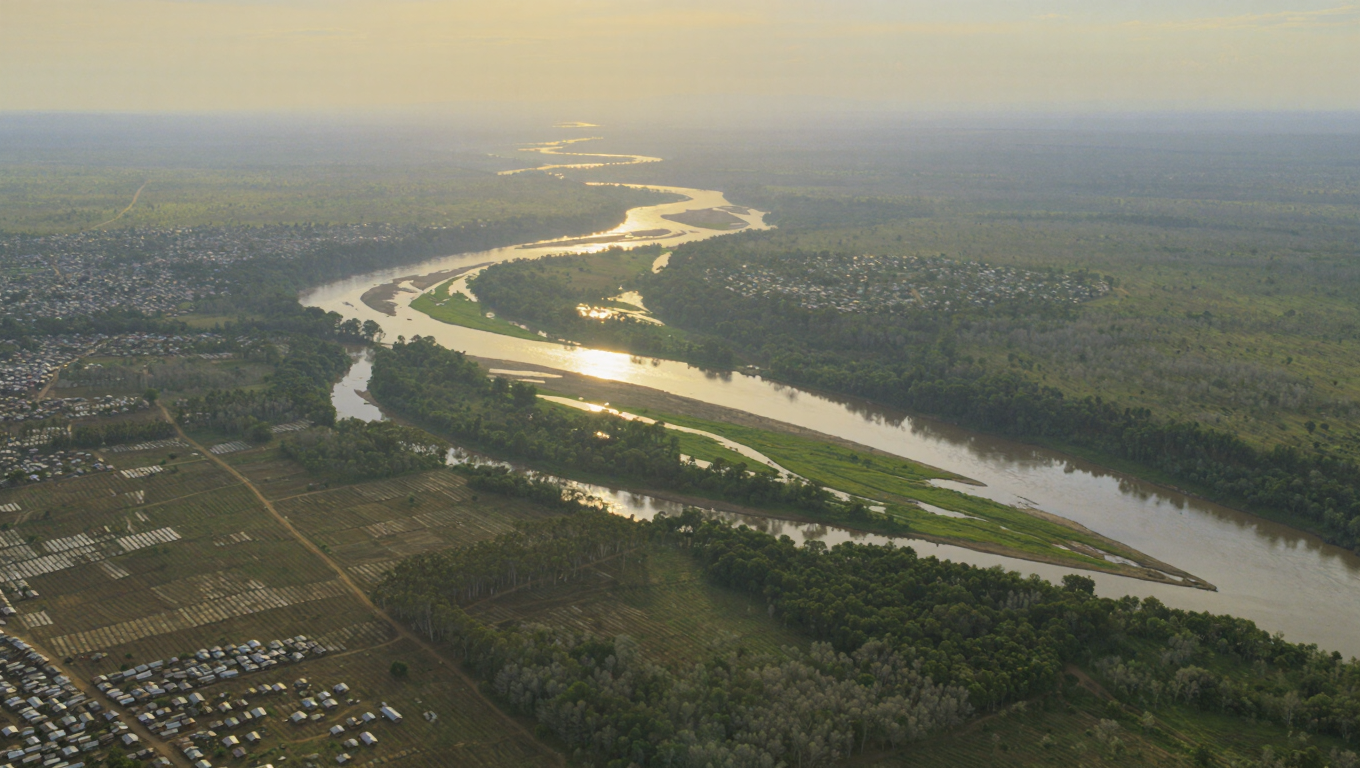
#4 of 26
Kasaï-Central
8.1
High score (8-10) · Your profile
Kananga is a provincial capital large enough to have functioning neighborhoods and a university, which means there's an educated population and actual social venues — bars near the university district actually fill up on weekend evenings. The city has been relatively calm compared to eastern Congo, and that stability creates a more relaxed social atmosphere. Foreign men are rare enough to be genuinely interesting, and the Luba cultural tradition values direct, straightforward interaction. Worth a few days if you speak French.
Mid score (6-8)
Kananga is a real city with real infrastructure by Congolese provincial standards — flights from Kinshasa, functioning markets, university presence. But it's still a second-tier city in a poor country, and the social opportunities for a foreign man depend heavily on whether you have introductions through work or NGO networks. The university scene is interesting but access takes some groundwork. Average effort, average reward.
Lower score (below 6)
Kananga is large enough to be a serious logistical undertaking but not large enough to have the kind of active social scene that makes the effort worthwhile for most foreign visitors. The city has some charm in the church-and-market sense but as a destination for social exploration it doesn't offer enough variety. Kinshasa is worth the extra leg.
Frequently Asked Questions
What's the median income in Kasaï-Central, Democratic Republic of the Congo?
$0k median
What's the typical marriage age for women in Kasaï-Central, Democratic Republic of the Congo?
Women marry at 20
How common is a college degree in Kasaï-Central, Democratic Republic of the Congo?
5% men have degree
What's the average male height in Kasaï-Central, Democratic Republic of the Congo?
169 cm local avg
What's the average BMI for women in Kasaï-Central, Democratic Republic of the Congo?
Local women avg 23.0