Bas-Uele, Democratic Republic of the Congo
#22 of 26
Bas-Uele
8.0
High score (8-10)
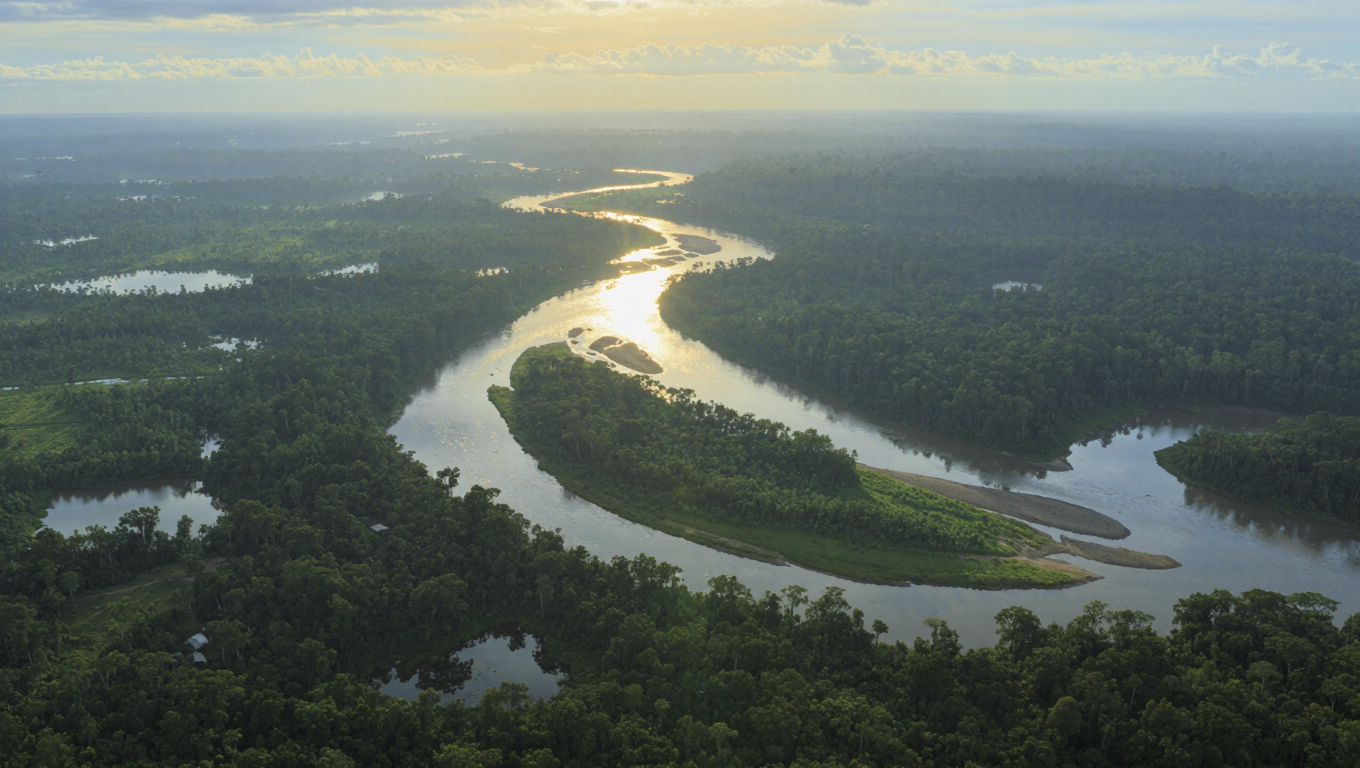
Bas-Uele is remote northeastern Congo — thick equatorial forest, small towns like Buta as the main hub, and almost no foreign presence whatsoever. That scarcity makes any Western man an event, and local curiosity is genuine and warm rather than commercial. If you're there for work or overlanding and can communicate in French, you'll find people openly interested in you. Just accept that you're operating completely off the grid with no backup systems.
Mid score (6-8) · Your profile
Bas-Uele sees almost no tourists and very little outside investment, so infrastructure is essentially non-existent beyond the basics. The male-female dynamic here is traditional and rural, meaning social access is through community introductions rather than anything spontaneous. You can have genuine interactions but the context is so remote that it requires serious commitment to be there at all. Most men passing through are missionaries, NGO workers, or loggers.
Lower score (below 6)
There's no real reason to go to Bas-Uele as a social destination — it's one of the most isolated provinces in the country, with no reliable power grid, spotty mobile coverage, and transport that relies on river boats and unpaved tracks. The social scene as a concept doesn't exist here in any form that a foreign man could meaningfully participate in short-term. Hard pass unless your work explicitly takes you there.
Frequently Asked Questions
What's the median income in Bas-Uele, Democratic Republic of the Congo?
$0k median
What's the typical marriage age for women in Bas-Uele, Democratic Republic of the Congo?
Women marry at 19
How common is a college degree in Bas-Uele, Democratic Republic of the Congo?
2% men have degree
What's the average male height in Bas-Uele, Democratic Republic of the Congo?
171 cm local avg
What's the average BMI for women in Bas-Uele, Democratic Republic of the Congo?
Local women avg 23.5