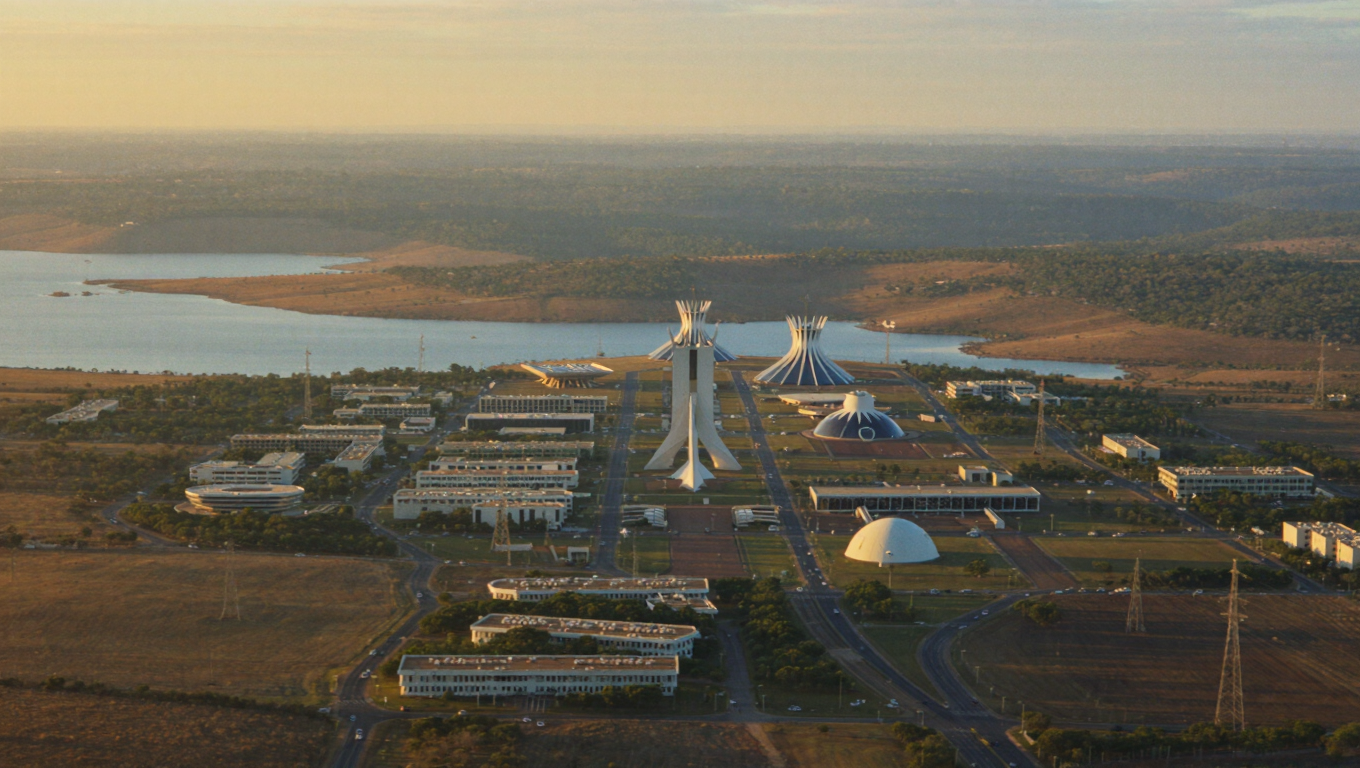
DistritoFederal, Brazil
#23 of 27
DistritoFederal
8.2
High score (8-10) · Your profile
Brasília's political and diplomatic class gives foreign professionals a social environment where international credentials translate directly — government workers, NGO staff, and embassy circles are open to outsiders in ways that São Paulo's business world isn't. The planned city layout means nightlife concentrates in specific zones (Asa Sul, Lago Sul) that are easy to work. The absence of a tourist economy means the locals you meet are not categorizing you as a traveler. High average income in the city means the social comparisons are narrower but quality is high.
Mid score (6-8)
Brasília is a civil servant city built around bureaucracy and government, which shapes the social culture into something more conservative and credential-conscious than coastal Brazil. The nightlife is decent but the city is spread out and car-dependent, which limits organic street-level encounters. Foreigners are common enough (diplomatic community) that novelty alone doesn't carry you far. It works if you're here professionally; as a social destination it's flat.
Lower score (below 6)
Brasília is not a city that rewards the casual visitor — it's purpose-built for government work and has no beach, no carnival culture, and limited street energy. The social world runs on professional and government networks that take real time to penetrate. The city is expensive relative to the rest of Brazil without delivering the social returns of Rio or São Paulo. Fly through, don't stay.
Frequently Asked Questions
What's the median income in DistritoFederal, Brazil?
$9k median
What's the typical marriage age for women in DistritoFederal, Brazil?
Women marry at 24
How common is a college degree in DistritoFederal, Brazil?
26% men have degree
What's the average male height in DistritoFederal, Brazil?
172 cm local avg
What's the average BMI for women in DistritoFederal, Brazil?
Local women avg 27.5