RíoNegro, Argentina
#15 of 24
RíoNegro
8.1
High score (8-10) · Your profile
Bariloche is one of the highest-functioning social environments in Argentina for a foreign man — the city draws Argentines, Chileans, Brazilians, and Europeans year-round for skiing, trekking, and lake activities, and the concentration of people in adventure mode creates an unusually open social context. The Andean German and Swiss architecture gives the city a resort-town character that supports spending and socializing. A foreigner with clear resources and outdoor interests is in natural alignment with what Bariloche is about. Outside of ski season, the lake district in summer (January-March) runs the same energy at a warmer temperature.
Mid score (6-8)
Bariloche's tourist season concentration means the city floods in winter and summer and empties in the shoulder months, so timing matters. The tourist infrastructure is efficient but creates its own bubble — most foreigners end up cycling through the same hotels, restaurants, and boat trips without engaging with how Bariloche locals actually live. Viedma, the provincial capital on the Atlantic coast, has none of Bariloche's energy and isn't worth factoring in.
Lower score (below 6)
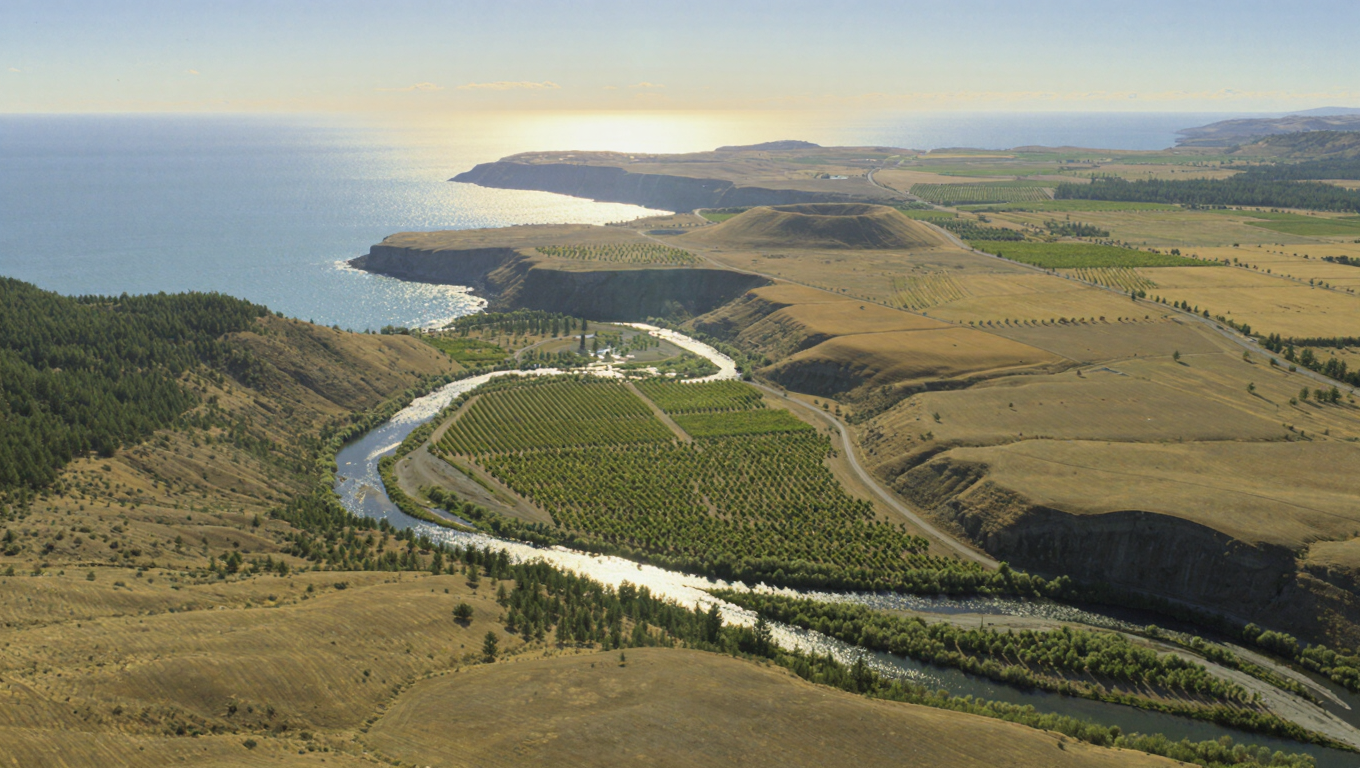
Río Negro's Atlantic coast — San Antonio Oeste, Las Grutas — is domestic Argentine beach tourism with no international profile. It's a place for Argentine families from the Patagonian interior to go in January, and a foreigner here is out of context in a way that limits any social engagement. The province is defined by Bariloche; everything else is background.
Frequently Asked Questions
What's the median income in RíoNegro, Argentina?
$12k median
What's the typical marriage age for women in RíoNegro, Argentina?
Women marry at 24
How common is a college degree in RíoNegro, Argentina?
25% men have degree
What's the average male height in RíoNegro, Argentina?
174 cm local avg
What's the average BMI for women in RíoNegro, Argentina?
Local women avg 27.6