Jujuy, Argentina
#3 of 24
Jujuy
8.2
High score (8-10) · Your profile
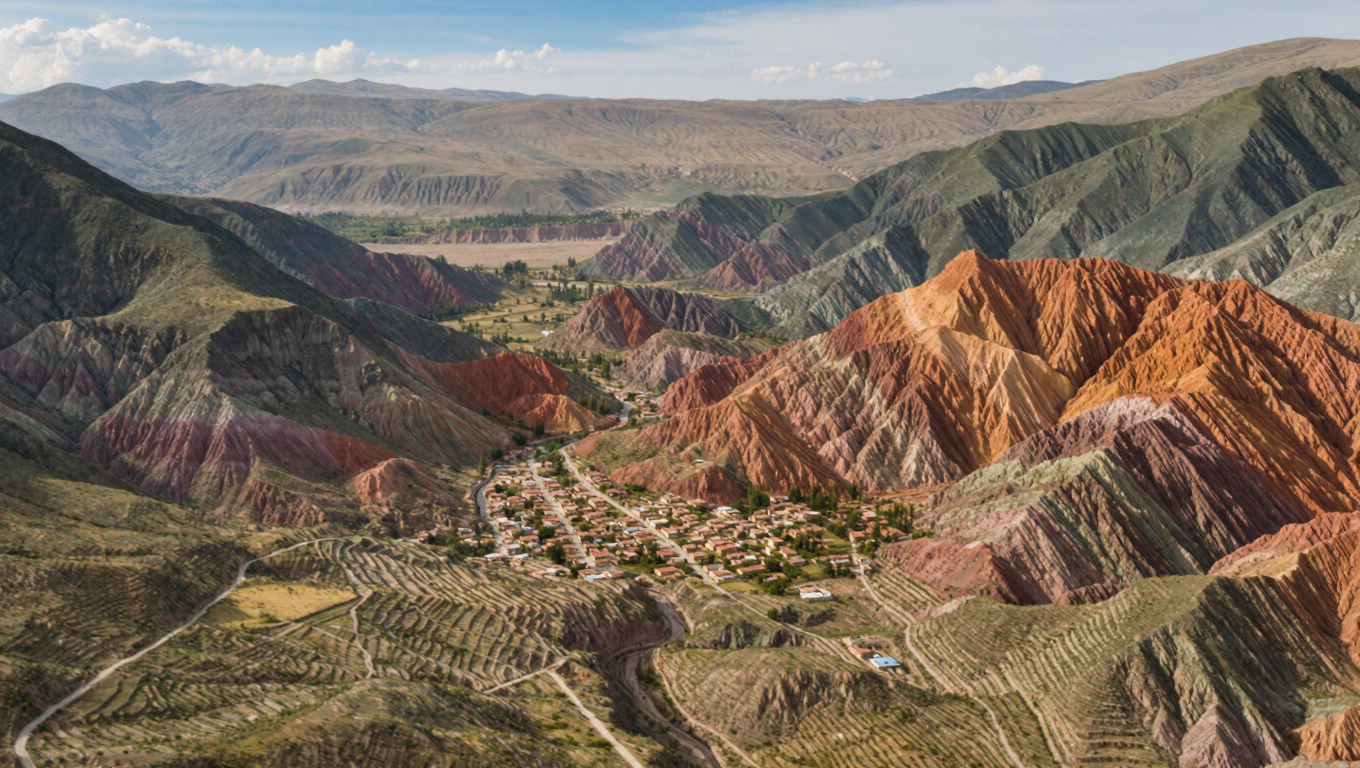
Jujuy has become one of the more interesting provinces for a foreigner with an appreciation for landscape and Andean culture — Purmamarca with its colored hill, Tilcara in the Quebrada, and the salt flats near Salinas Grandes draw a real international crowd now. The tourist circuit through the Quebrada de Humahuaca creates natural meeting points where both Argentine and international travelers mix, and the altitude and beauty of the place puts people in an open mood. A foreigner who's clearly there for the landscape and has done the work to understand the Andean context reads well here.
Mid score (6-8)
San Salvador de Jujuy, the provincial capital, is a working Argentine city with less tourist infrastructure than the Quebrada towns. The social culture is more indigenous and Andean in character than Buenos Aires — family ties are extremely strong, social life is more conservative, and an outsider needs more time to establish any real connection. The Quebrada tourist corridor is the easiest access point but it's also thin and transient.
Lower score (below 6)
Outside the tourism corridor of the Quebrada, Jujuy is conservative, close-knit, and not oriented toward engagement with passing foreigners. The indigenous and mestizo communities have their own social world that doesn't have an obvious entry point for someone just traveling through. The province is worth seeing for its landscape, but expectations for social engagement in the cities and towns should be managed.
Frequently Asked Questions
What's the median income in Jujuy, Argentina?
$7k median
What's the typical marriage age for women in Jujuy, Argentina?
Women marry at 23
How common is a college degree in Jujuy, Argentina?
15% men have degree
What's the average male height in Jujuy, Argentina?
174 cm local avg
What's the average BMI for women in Jujuy, Argentina?
Local women avg 27.6