Córdoba, Argentina
#6 of 24
Córdoba
8.2
High score (8-10) · Your profile
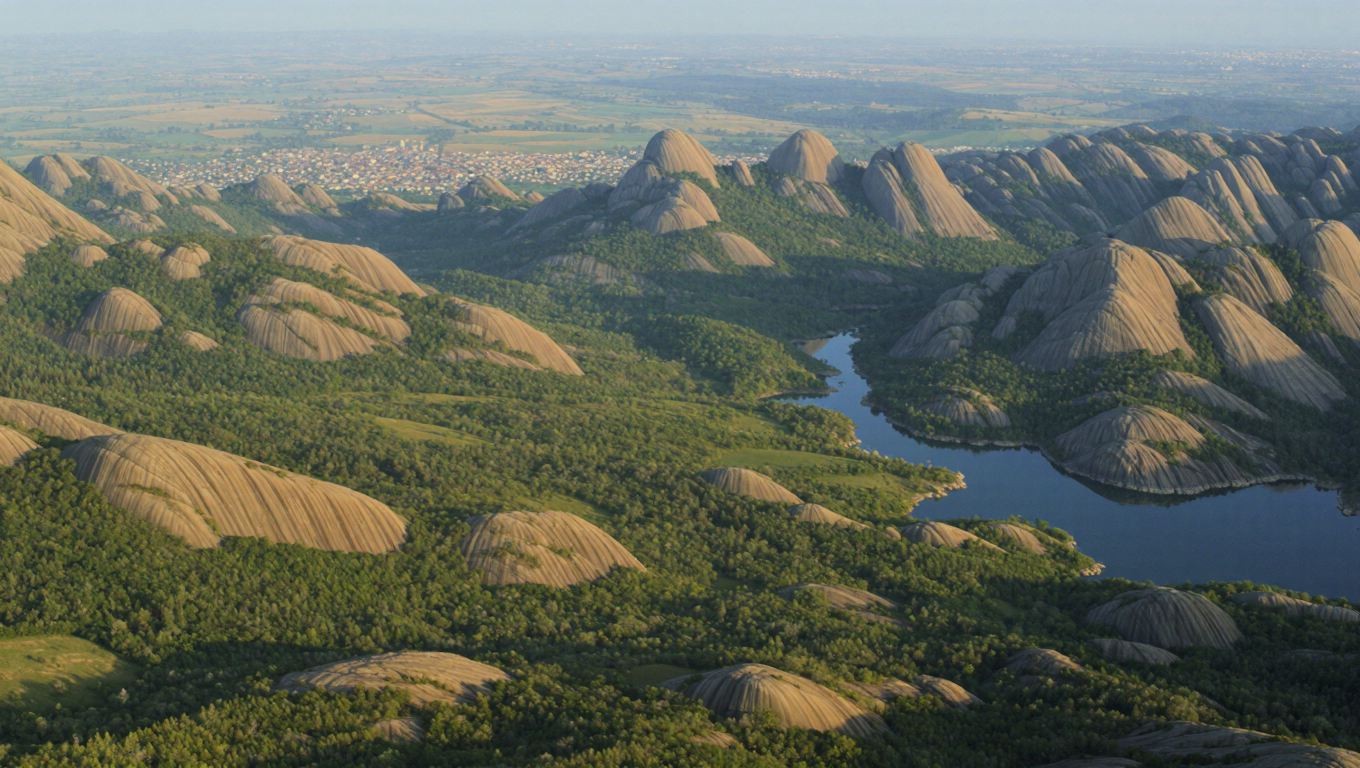
Córdoba city is Argentina's second-largest city and home to five major universities, which means a permanently young, mobile, and socially active population. The cordobés accent and culture is distinct from Buenos Aires — locals are warmer, less formal, and quicker to joke — and foreigners with genuine curiosity and Spanish ability find it easier to integrate here than in the capital. The student scene around the Güemes and Nueva Córdoba neighborhoods runs a bar and café culture that stays active year-round. A solid profile in a city of this size and energy level plays well.
Mid score (6-8)
Córdoba province outside the city is a mix of Sierras resort towns like Villa Carlos Paz and farming communities, neither of which has the social infrastructure of the capital. Villa Carlos Paz gets active in summer with a tourism economy, but it's a domestic circuit — Argentines vacationing with Argentines — and foreigners don't plug in as naturally. The city is where the action concentrates. If you're not spending most of your time there, the province's appeal drops significantly.
Lower score (below 6)
The rural and agricultural interior of Córdoba province is traditional, family-oriented, and not oriented toward outside engagement. Soy farming communities and small Sierras towns have a closed local social life that doesn't have an obvious entry point for a foreigner. Without a specific reason — language school, a connection in the city — the province's interior doesn't reward a visit from someone expecting social openness.
Frequently Asked Questions
What's the median income in Córdoba, Argentina?
$13k median
What's the typical marriage age for women in Córdoba, Argentina?
Women marry at 27
How common is a college degree in Córdoba, Argentina?
30% men have degree
What's the average male height in Córdoba, Argentina?
175 cm local avg
What's the average BMI for women in Córdoba, Argentina?
Local women avg 27.7