Gjirokastër, Albania
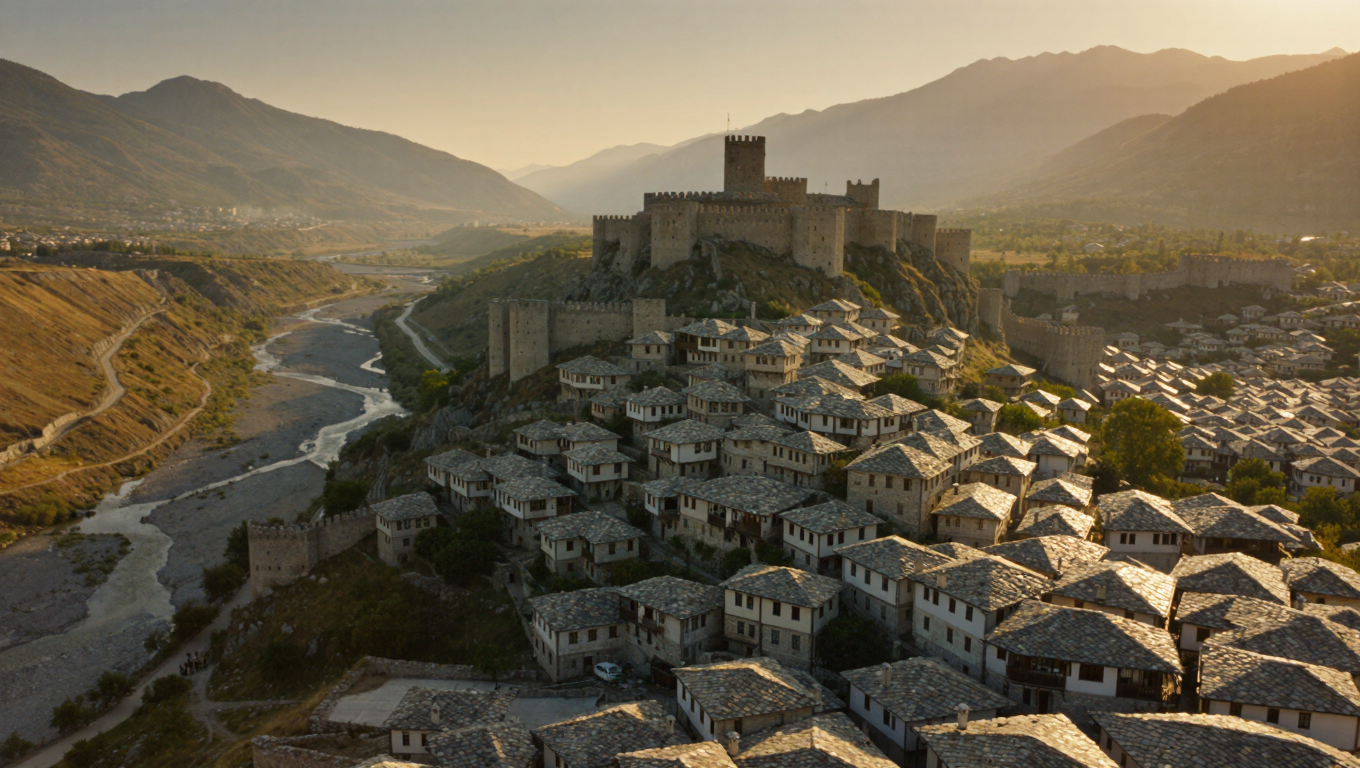
#2 of 12
Gjirokastër
8.2
High score (8-10) · Your profile
Gjirokastër's UNESCO status has started to pull genuine international travelers, and the mix of foreign visitors and local guides and hostel workers creates a small but functional social layer that doesn't exist in other Albanian cities its size. The stone city architecture makes the Old Bazaar area a natural gathering point, and in the warmer months there's a real backpacker-and-expat mini-scene that forms around the handful of quality guesthouses. It's niche but it works if that's the context you're after.
Mid score (6-8)
Gjirokastër is a cultural monument more than a living social city — the stone houses are spectacular, Enver Hoxha was born here, and the annual folk festival draws real crowds. But day to day it's a small, aging city in a mountainous area with a shrinking population and very limited nightlife or social infrastructure for a visitor. The tourists who come are usually passing through for a day, not building a social scene. You're here for the history, not the people.
Lower score (below 6)
Gjirokastër is one of the most conservative cities in Albania — it sits in a region with deep traditional codes, a small population that has been declining for decades as young people leave for Tirana or Greece, and almost no social infrastructure for meeting people casually. The heritage tourism that comes through doesn't create a real social ecosystem. Come for the Ottoman architecture and the citadel, not for any social angle.
Frequently Asked Questions
What's the median income in Gjirokastër, Albania?
$4k median
What's the typical marriage age for women in Gjirokastër, Albania?
Women marry at 25
How common is a college degree in Gjirokastër, Albania?
16% men have degree
What's the average male height in Gjirokastër, Albania?
174 cm local avg
What's the average BMI for women in Gjirokastër, Albania?
Local women avg 25.6